
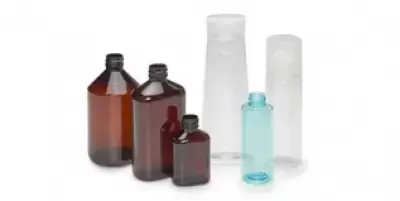
 PET Bottles for Cosmetics
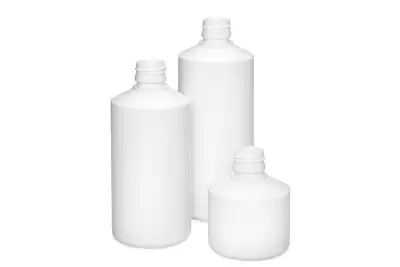 Medical Syrup Bottles
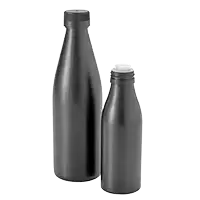 Spill Proof Bottles for Oil
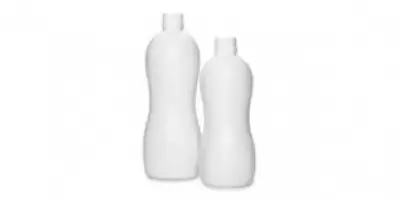 Bottles for pharma liquids
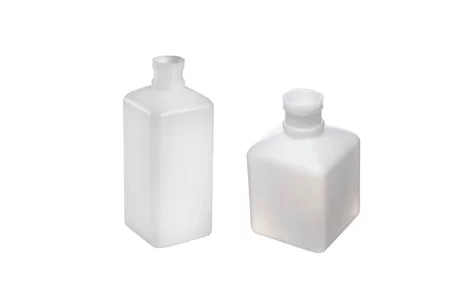 Square HDPE Bottles
 Powder Bottles
 Ice Pack (Cooling Element)
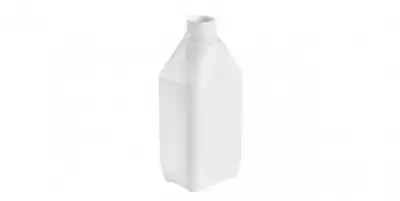 Rectangular Bottles
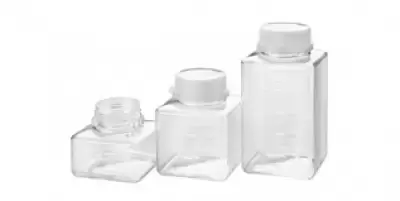 Water Sampling Bottles
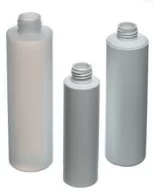 PE Bottles for Cosmetics
 Drosophila Bottle
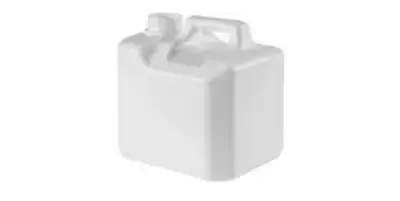 Plastic Jerry cans and carboys
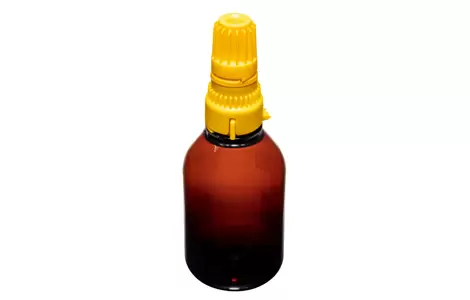 PEN BOTTLES & ADAPTORS FOR SEVOFLURAN
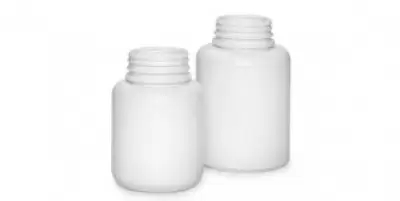 Food Supplement Jars
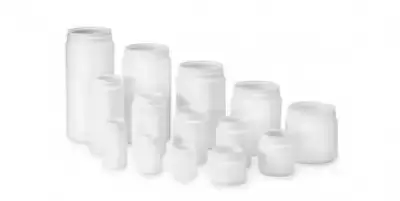 Cylindrical Jars with Hinged Lid
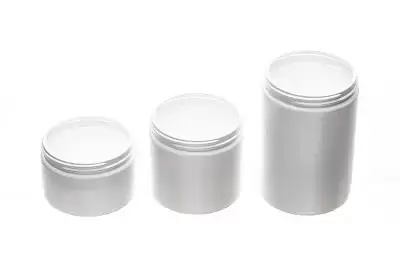 Cylindrical Jars with Screw Caps
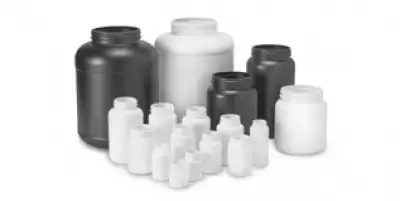 Wide Mouth Plastic Jars
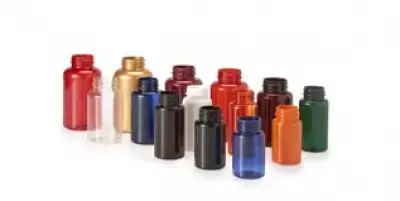 PET Pill Jars
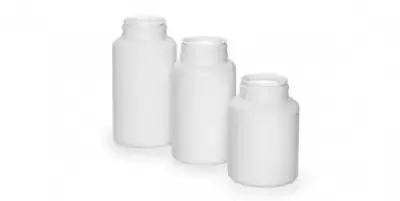 HDPE Packers with Hinged Lid
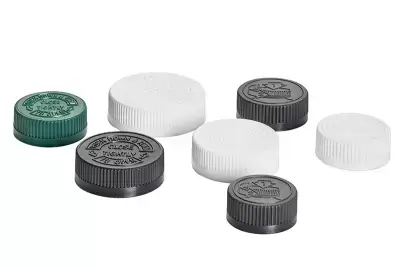 Child Resistant Closures (CRC)
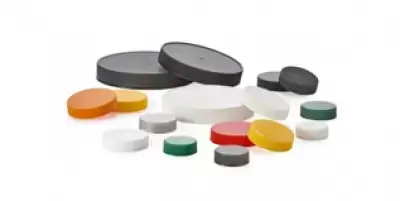 CT Plastic Screw Caps
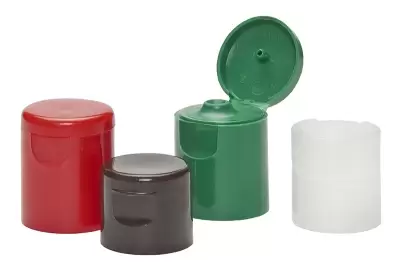 Disc Top and Flip Top Closures
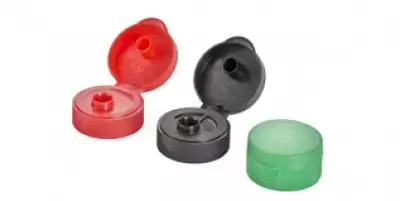 Flip Top Closures
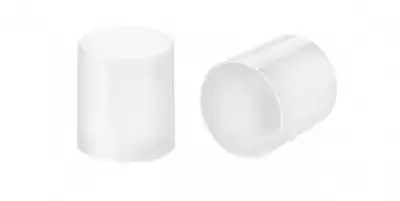 Over cap for Cosmetic Bottles
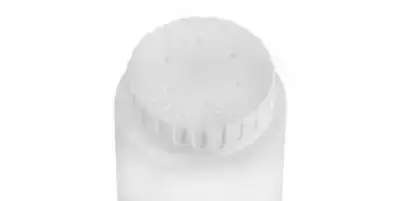 Powder Dispensing Cap
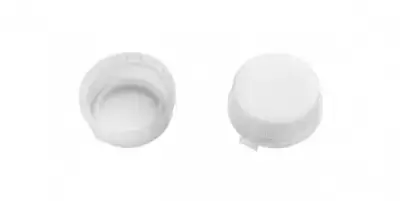 Cap for Water Sampling Bottles
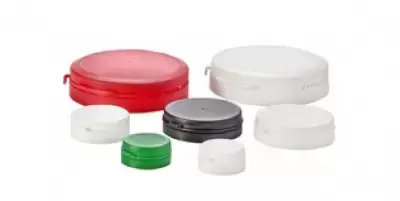 Tamper Evident Hinged Caps
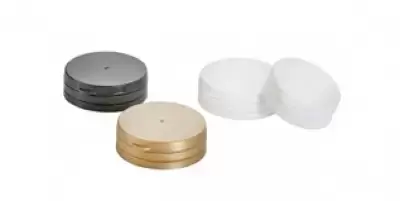 Hinged Caps with Liner
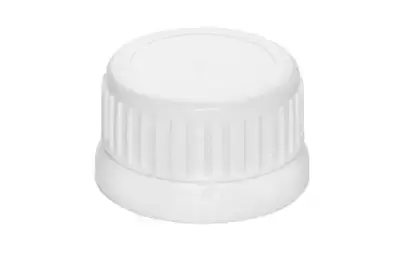 Tamper Evident Screw Cap, 38mm
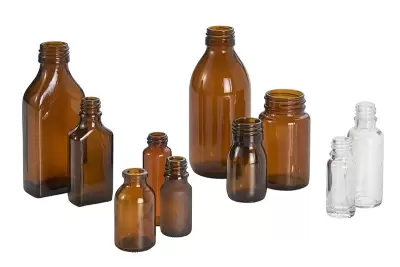 Pharma Glass Bottles & Jars
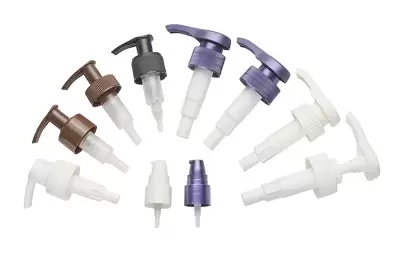 Pharma Lotion Pumps
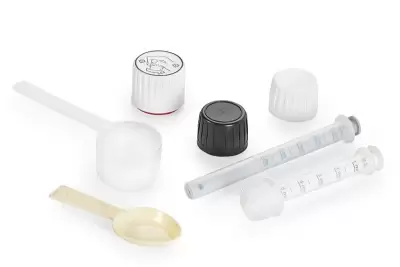 Measuring Cups & Spoons
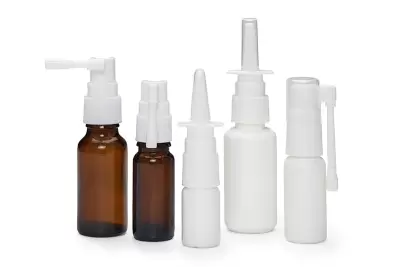 Pharmaceutical Sprayer Pumps
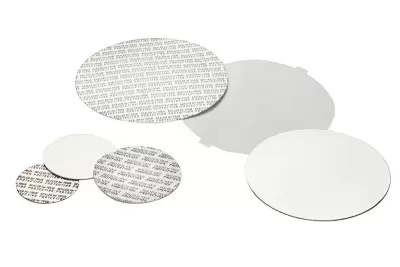 Cap Liners
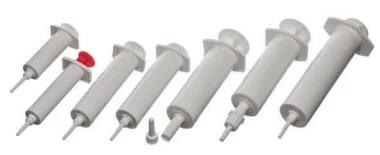 Syringes
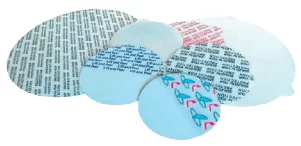 Liners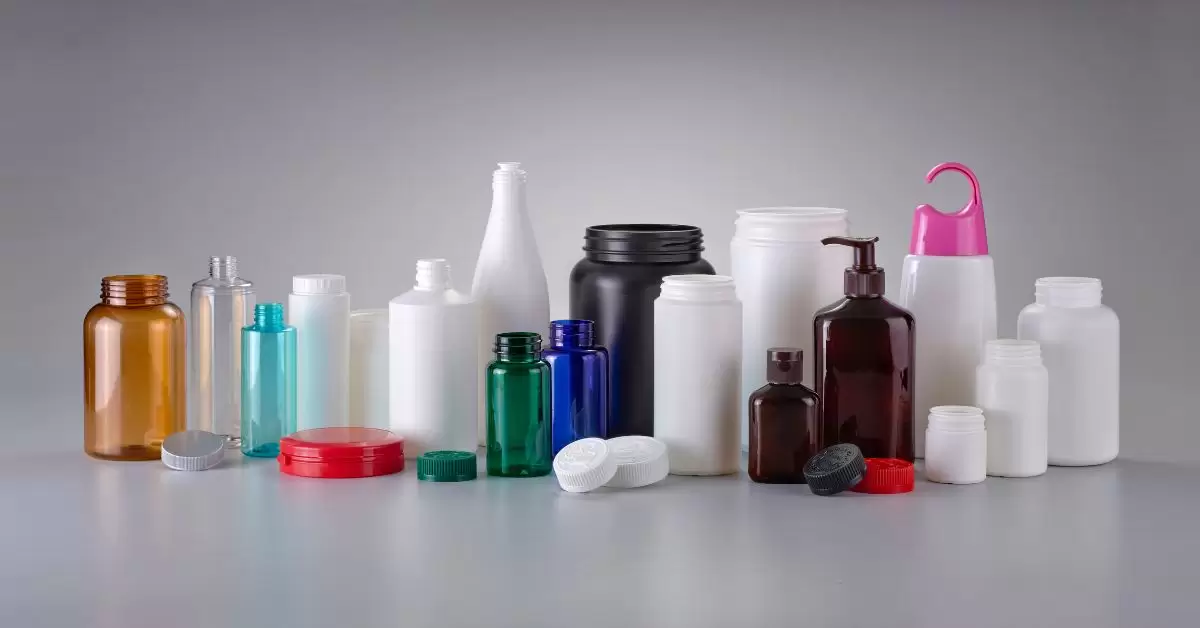
Emerging technologies in pharmaceutical bottle packaging focus on improving safety, durability and regulatory compliance through advanced plastic materials, child-resistant closures and precision manufacturing processes such as blow molding.
In the pharmaceutical industry, the importance of effective and safe packaging cannot be overstated. Packaging plays a crucial role in ensuring the integrity and efficacy of pharmaceutical products. This article delves into the advanced materials, designs, and technologies that are revolutionizing pharmaceutical bottle manufacturing, focusing on their role in enhancing durability and safety.
Advanced Materials in Pharmaceutical Bottles
The evolution of materials used in pharmaceutical bottle manufacturing has been a game-changer for the industry. Traditionally, glass was predominantly used, but recent advancements have introduced a variety of plastics that offer significant benefits.
- Polyethylene Terephthalate (PET): This material is known for its clarity, strength, and barrier properties, making it ideal for protecting sensitive medications from moisture and oxygen.
- High-Density Polyethylene (HDPE): HDPE is valued for its resistance to chemicals and its robust nature, which is crucial for shipping and handling.
- Biodegradable Plastics: With the rising concern for environmental sustainability, the use of biodegradable plastics in pharmaceutical packaging is gaining traction. These materials decompose naturally, reducing the ecological footprint of pharmaceutical packaging.
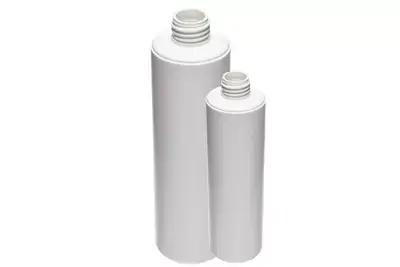
Cosmetic Bottles made of PE (LDPE or HDPE)
Child-Resistant Caps: Ensuring Safety
One of the most critical aspects of pharmaceutical packaging is safety, particularly in preventing accidental ingestion by children. Child-resistant caps are ingeniously designed to be difficult for children to open while remaining accessible to adults. These caps are crucial in safeguarding medications, particularly those that could be harmful if ingested accidentally. Implementing child-resistant caps is not just a safety measure but also a compliance requirement in many jurisdictions.
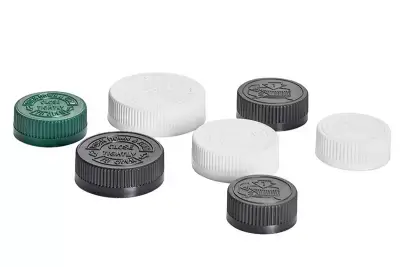
Child Resistant caps
Blow Moulding: Shaping the Future
Blow moulding is a manufacturing process used extensively in the production of hollow plastic containers. This process involves heating a plastic tube and then inflating it into a mould to achieve the desired shape and size. The precision and versatility of blow moulding make it an ideal technique for creating pharmaceutical bottles that are both durable and consistent in quality.
Cannabis Plastic Bottles: A Specialized Niche
With the growing medical cannabis industry, there’s a rising demand for specialized packaging solutions. Cannabis products require containers that maintain product freshness and comply with regulatory standards. Cannabis plastic bottles are specifically designed to meet these requirements. The development of cannabis plastic bottles reflects the industry’s adaptability in meeting the specialized needs of emerging pharmaceutical sectors.
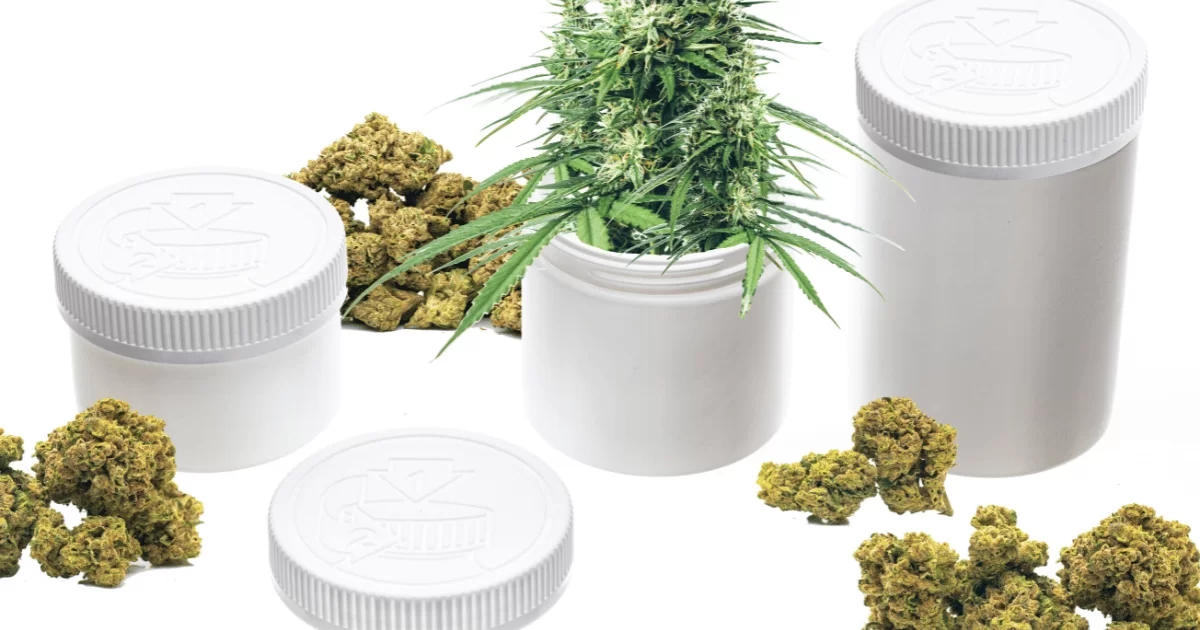
Cannabis plastic bottles
Plastic Jars with Lids: Versatile and Secure
Plastic jars with lids offer a versatile solution for packaging a variety of pharmaceutical products. These jars provide a secure seal, ensuring the longevity and safety of the products they contain. The diverse range of plastic jars with lids available in the market caters to different needs, offering options in terms of size, shape, and material.
The pharmaceutical bottle industry is witnessing significant advancements in materials, designs, and manufacturing technologies. These innovations are not only enhancing the safety and durability of pharmaceutical packaging but also addressing environmental concerns and adapting to the unique needs of emerging markets like medical cannabis. For pharmaceutical product owners and employees, understanding these developments is crucial for making informed decisions about packaging solutions that best suit their products’ requirements.
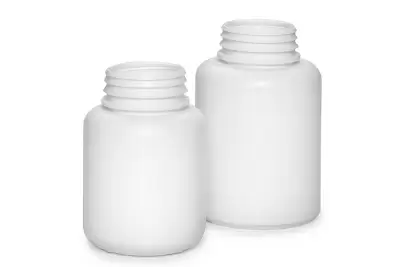
Plastic jars with press lids and seals
As we continue to see growth and innovation in this field, companies like Gilpack are at the forefront, providing cutting-edge packaging solutions that meet the highest standards of quality and safety.
This article is penned by an expert in pharmaceutical packaging, aiming to provide valuable insights into the latest trends and innovations in the field. With a focus on emerging technologies and materials, the author brings a comprehensive perspective, beneficial for pharmaceutical professionals seeking to stay abreast of the industry’s dynamic landscape.
Frequently Asked Questions About Pharmaceutical Bottle Technologies
Emerging technologies in pharmaceutical bottle manufacturing focus on advanced plastic materials, improved barrier protection, and enhanced safety features such as child-resistant closures. These innovations help improve drug stability, reduce contamination risk, and ensure regulatory compliance across global pharmaceutical markets.
Modern pharmaceutical bottles are typically manufactured from HDPE, LDPE, and PET plastics. These materials offer strong chemical resistance, durability, and moisture protection while meeting pharmaceutical safety and regulatory requirements.
Child-resistant caps are designed to reduce the risk of accidental access to medications by children while remaining usable for adults. They are commonly required for regulated pharmaceutical products to improve consumer safety.
Blow molding allows precise control over bottle shape, wall thickness, and consistency. This process improves durability, leak resistance, and overall manufacturing quality for pharmaceutical packaging.
Yes. Advanced pharmaceutical-grade plastics provide effective barriers against moisture, oxygen, and contaminants, making them suitable for many sensitive formulations when correctly specified.
New packaging technologies integrate validated materials, controlled production processes, and safety mechanisms that align with international pharmaceutical regulations and quality standards.