
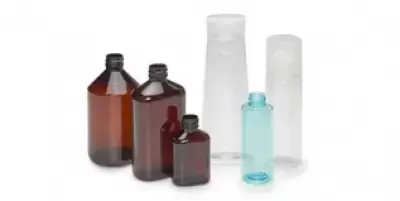
 PET Bottles for Cosmetics
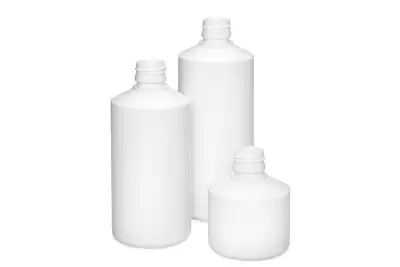 Medical Syrup Bottles
 Spill Proof Bottles for Oil
 Bottles for pharma liquids
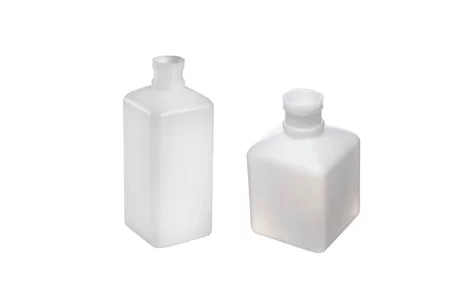 Square HDPE Bottles
 Powder Bottles
 Ice Pack (Cooling Element)
 Rectangular Bottles
 Water Sampling Bottles
 PE Bottles for Cosmetics
 Drosophila Bottle
 Plastic Jerry cans and carboys
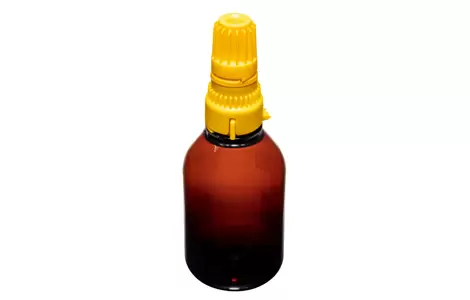 PEN BOTTLES & ADAPTORS FOR SEVOFLURAN
 Food Supplement Jars
 Cylindrical Jars with Hinged Lid
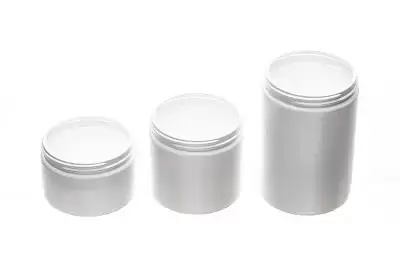 Cylindrical Jars with Screw Caps
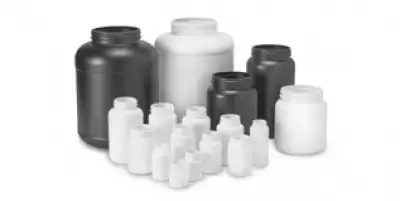 Wide Mouth Plastic Jars
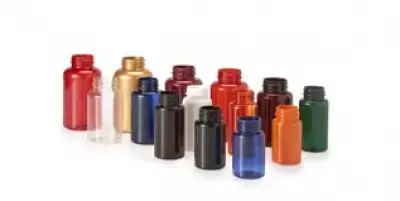 PET Pill Jars
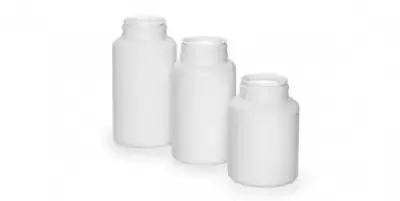 HDPE Packers with Hinged Lid
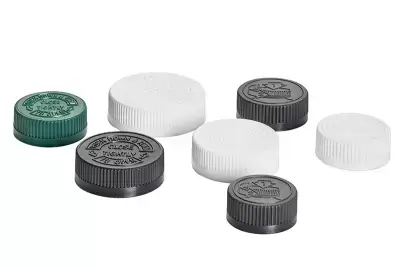 Child Resistant Closures (CRC)
 CT Plastic Screw Caps
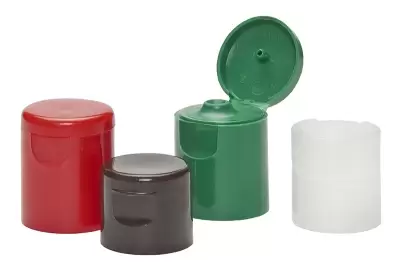 Disc Top and Flip Top Closures
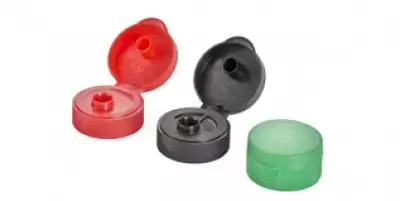 Flip Top Closures
 Over cap for Cosmetic Bottles
 Powder Dispensing Cap
 Cap for Water Sampling Bottles
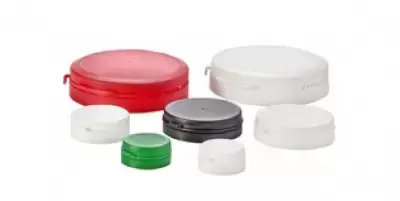 Tamper Evident Hinged Caps
 Hinged Caps with Liner
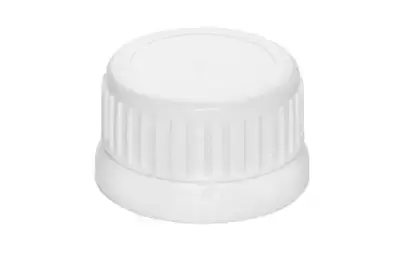 Tamper Evident Screw Cap, 38mm
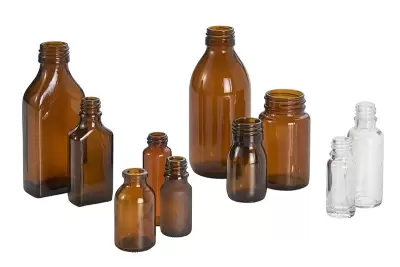 Pharma Glass Bottles & Jars
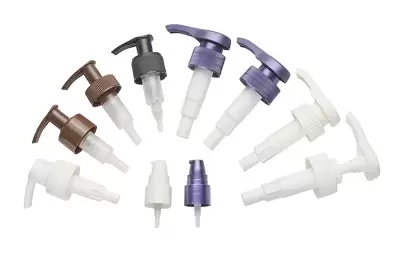 Pharma Lotion Pumps
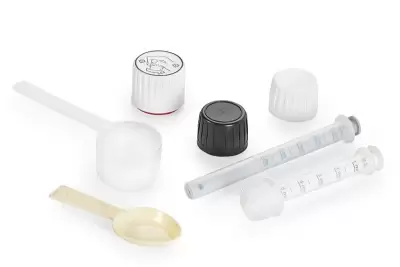 Measuring Cups & Spoons
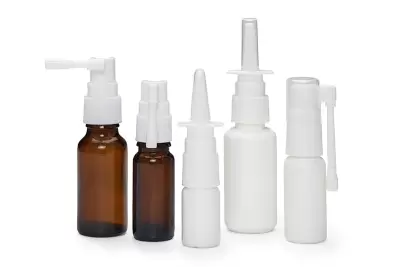 Pharmaceutical Sprayer Pumps
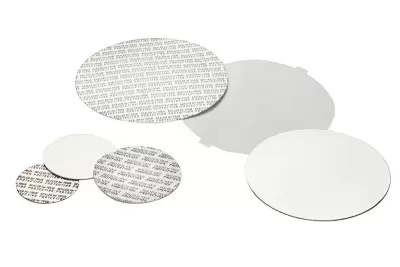 Cap Liners
 Syringes
 Liners
Plastic cannabis packaging should help protect the product from air, light, and excess moisture while supporting freshness, safety, and consistent storage conditions. For medical cannabis brands and packaging buyers, the right plastic container typically means food-grade, non-reactive material, reliable sealing, and packaging formats that can support product protection and child-resistant requirements where needed.
As the legalization of cannabis continues to spread, both for medical and recreational use, it’s essential to understand the importance of proper storage. Maintaining the quality, potency, and safety of cannabis products is crucial, and the choice of storage containers plays a significant role in achieving these goals. In this article, we will explore best practices for storing cannabis in plastic containers to preserve its freshness, potency, and safety.
The Significance of Proper Cannabis Storage
Proper storage of cannabis is vital to preserving its quality and potency. Exposure to air, light, moisture, and temperature fluctuations can degrade cannabinoids, terpenes, and other compounds, leading to a loss of potency and flavor. Additionally, improper storage can promote the growth of mold, mildew, or bacteria, making the cannabis unsafe for consumption.
Selecting the Right Plastic Container
When it comes to storing cannabis in plastic, choosing the right container is critical. Here are some factors to consider:
Material Selection for Cannabis Storage:
The material you choose for storing your cannabis can significantly impact its overall quality, safety, and longevity. When it comes to cannabis storage, opt for high-quality, food-grade plastic containers that are specifically designed for this purpose. These containers offer several advantages that contribute to the preservation of your cannabis. Food-grade plastic containers are engineered to meet stringent safety and quality standards, making them an ideal choice for storing consumable products. When you use such containers, you can trust that the material is free from harmful chemicals or contaminants that could leach into your cannabis. One of the key benefits of food-grade plastic is its non-reactive nature. This means that it won’t interact chemically with the compounds found in cannabis, including cannabinoids and terpenes. By choosing a non-reactive material, you ensure that your cannabis remains in its purest form, with its natural flavor and effects unaltered by the container.
Airtight Seal: Ensure that the plastic container has an airtight seal to prevent air from entering or escaping, as outlined by pharmaceutical bottle manufacturers. Oxygen is one of the primary culprits in cannabis degradation, so an airtight seal is essential.
Opaque and UV-Resistant: Select containers that are opaque or UV-resistant to protect your cannabis from harmful light rays, as recommended in The Role of Precision in Scientific Research.
Moisture Control: Maintaining the right level of humidity is crucial for preventing mold and preserving the cannabis’s texture and flavor.
Best Practices for Storing Cannabis in Plastic Containers
Once you have the right plastic container, follow these best practices for storing cannabis:
Temperature Control: Proper temperature control is essential for preserving the quality of your stored cannabis. It’s best to store your cannabis in a cool, dark place, with an ideal temperature range between 60-70°F (15-21°C). Here’s why maintaining the right temperature matters:
Cannabis is sensitive to temperature fluctuations. High temperatures can cause the cannabinoids and terpenes in your cannabis to degrade rapidly. On the other hand, extremely low temperatures, such as freezing, can be equally harmful. Freezing cannabis can cause the fragile trichomes, which contain many of the desirable compounds, to become brittle and break off, significantly reducing the potency and overall quality of your cannabis.
To prevent temperature-related degradation, store your cannabis in a location where the temperature remains relatively stable. Avoid exposure to direct sunlight or heat sources like radiators, ovens, or stovetops, as they can lead to temperature fluctuations that compromise the integrity of your cannabis.
Avoid Freezing: While low temperatures are preferable for storing cannabis, it’s crucial to emphasize that freezing cannabis is not recommended. Freezing can cause the trichomes, which house the cannabinoids and terpenes, to become brittle and easily break off. This not only reduces the potency of your cannabis but also leads to the loss of aromatic terpenes that contribute to its flavor and therapeutic effects.
If you live in an exceptionally cold climate, take extra precautions to ensure your cannabis doesn’t freeze during storage. Consider using an insulated container or placing your cannabis away from exterior walls where it might be exposed to colder temperatures.
Limit Air Exposure: Every time you open a container of cannabis, you introduce air, which can lead to oxidation and degradation of the cannabinoids and terpenes. To minimize air exposure:
- Use smaller containers for frequent use: If you have a small supply of cannabis that you access regularly, use a smaller container. This way, you’ll minimize the frequency of opening the container, reducing the potential for air exposure.
- Use larger containers for long-term storage: If you have a larger quantity of cannabis that you don’t plan to use immediately, store it in a larger container. This will reduce the surface area exposed to air when accessing your supply.
Additionally, when closing your containers, press down gently on the cannabis to remove excess air before sealing it. This can help create a more airtight seal and further minimize air exposure.
Use Boveda Packs: Boveda packs are humidity control packs that help maintain the ideal humidity level within your cannabis container. These packs are designed to release or absorb moisture as needed, ensuring your cannabis remains at the optimal humidity level for long-term storage.
Proper humidity control is crucial because cannabis that is too dry can become harsh and lose its flavor, while overly moist cannabis can promote mold and mildew growth. By using Boveda packs, you can extend the freshness and quality of your cannabis while preventing it from drying out or becoming excessively moist.
Label and Date: Labeling your containers with the strain name and date of storage is a simple but effective practice that helps you keep track of your cannabis inventory. It ensures you consume your cannabis within its optimal freshness window. Additionally, noting the date of storage allows you to monitor the age of your cannabis and prioritize older products to avoid them becoming stale or less potent over time.
In conclusion, proper temperature control, avoiding freezing, limiting air exposure, using humidity control packs like Boveda, and labeling your containers are essential practices for preserving the quality and potency of your stored cannabis. By following these guidelines, you can ensure that your cannabis remains fresh, flavorful, and effective for an extended period.
Storing cannabis in plastic containers requires careful consideration to maintain its quality, potency, and safety. By selecting the right plastic container and following best practices, you can ensure that your cannabis remains fresh and enjoyable over time. Whether you are a medical patient or a recreational user, proper storage is key to getting the most out of your cannabis experience while ensuring its safety for consumption. For more information on related topics, you can explore Storing Cannabis Edibles in Plastic and Medical Cannabis Flower Packaging.
FAQ on Storing Cannabis in Plastic
High-quality food-grade plastic containers are often suitable for cannabis packaging when they are designed to support product safety, sealing performance, and storage stability.
Airtight sealing helps reduce unnecessary air exposure, which can support better preservation of product freshness and quality over time.
Opaque or UV-resistant containers are often preferred when light protection is important for product preservation.
Moisture levels can affect product quality. Packaging should help support balanced storage/conditions and reduce the risk of excess humidity or over-drying.
Yes. Child-resistant closures can be an important part of cannabis packaging, especially for products that require higher safety standards and more controlled consumer access.
Brands should look for food-grade materials, reliable sealing, light protection, compatibility with the product format, clear labeling, and the right closure solution for the intended use.
Yes. Plastic packaging can be suitable for medical cannabis applications when it is selected according to product requirements, safety considerations, and packaging performance needs.
Closures, liners, tamper-evident elements, and child-resistant features may all play an important role in the overall packaging system.