
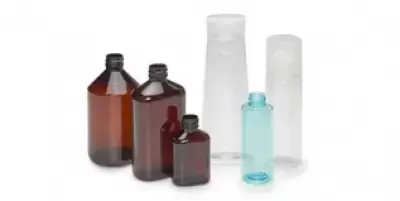
 PET Bottles for Cosmetics
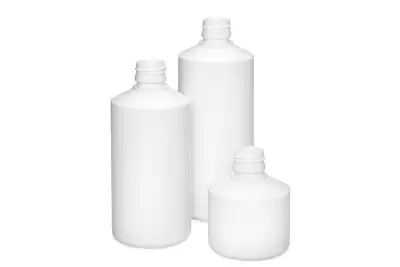 Medical Syrup Bottles
 Spill Proof Bottles for Oil
 Bottles for pharma liquids
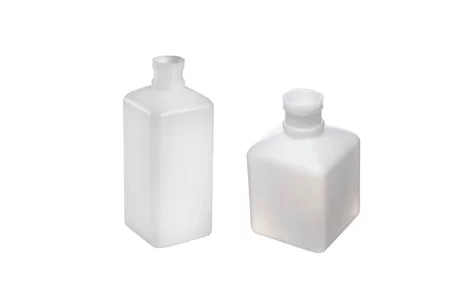 Square HDPE Bottles
 Powder Bottles
 Ice Pack (Cooling Element)
 Rectangular Bottles
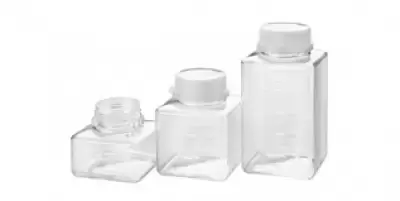 Water Sampling Bottles
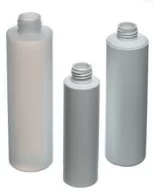 PE Bottles for Cosmetics
 Drosophila Bottle
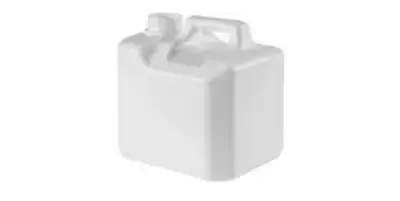 Plastic Jerry cans and carboys
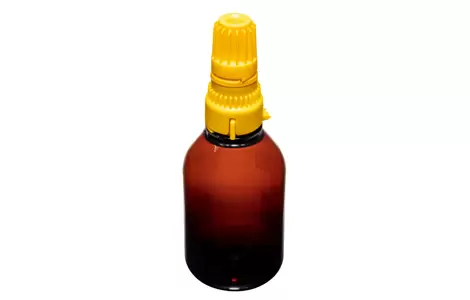 PEN BOTTLES & ADAPTORS FOR SEVOFLURAN
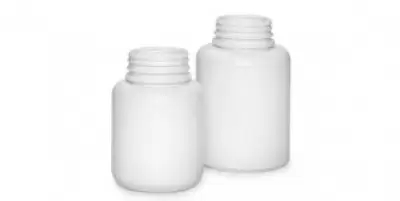 Food Supplement Jars
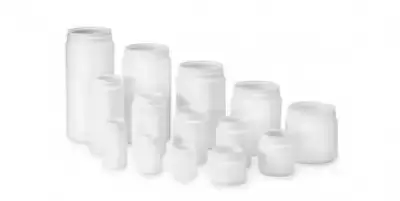 Cylindrical Jars with Hinged Lid
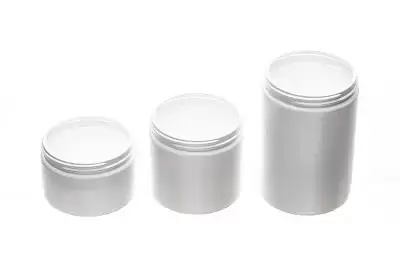 Cylindrical Jars with Screw Caps
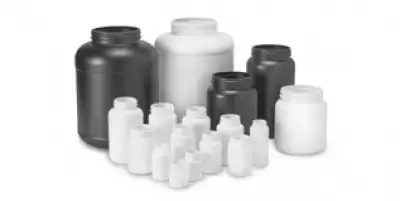 Wide Mouth Plastic Jars
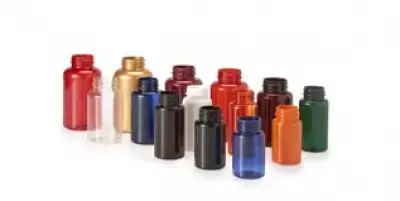 PET Pill Jars
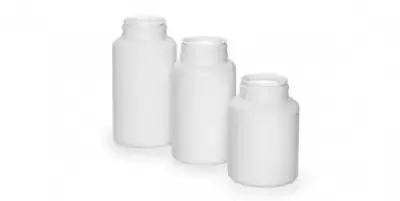 HDPE Packers with Hinged Lid
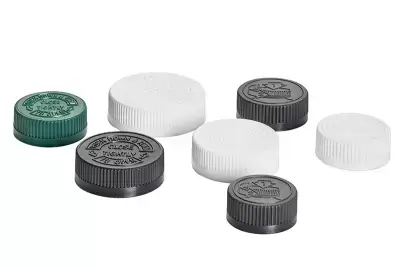 Child Resistant Closures (CRC)
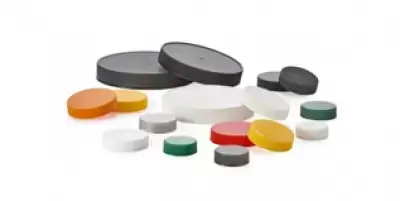 CT Plastic Screw Caps
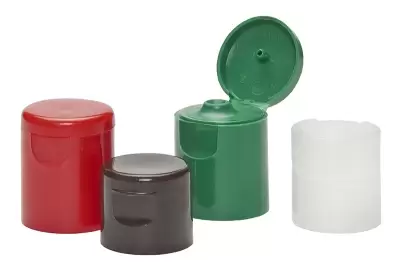 Disc Top and Flip Top Closures
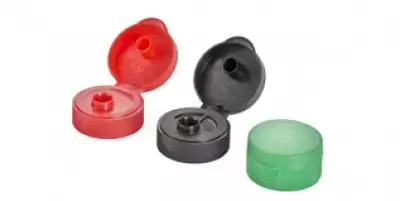 Flip Top Closures
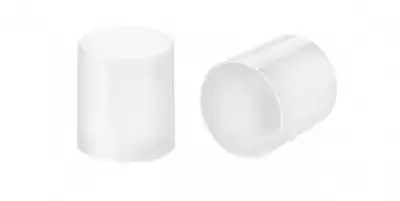 Over cap for Cosmetic Bottles
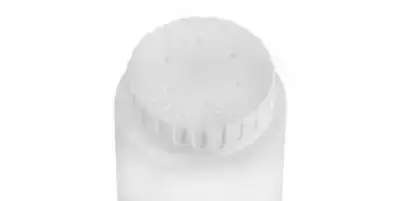 Powder Dispensing Cap
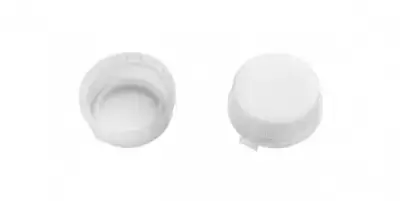 Cap for Water Sampling Bottles
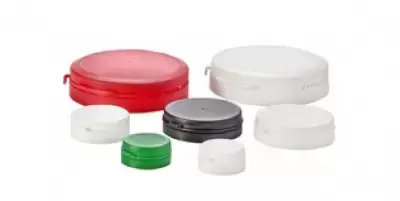 Tamper Evident Hinged Caps
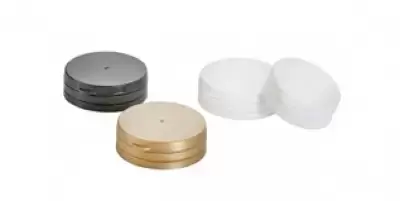 Hinged Caps with Liner
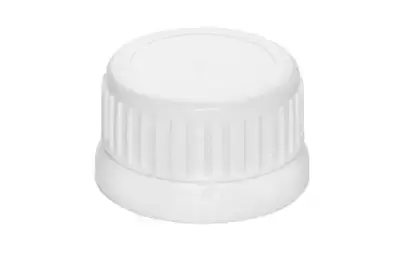 Tamper Evident Screw Cap, 38mm
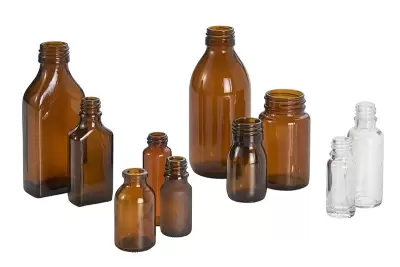 Pharma Glass Bottles & Jars
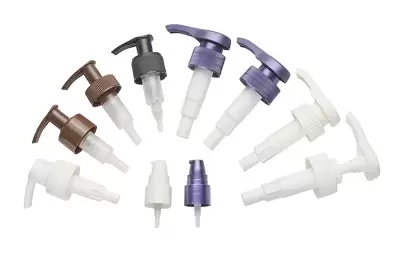 Pharma Lotion Pumps
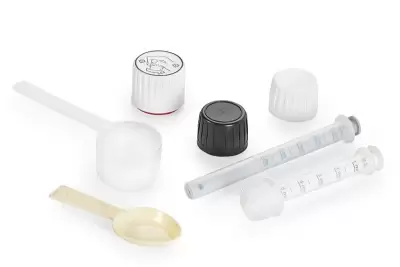 Measuring Cups & Spoons
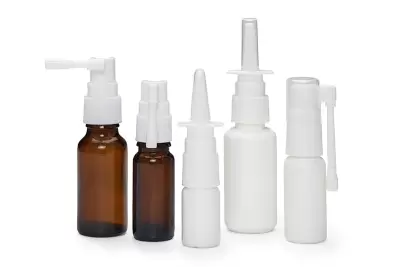 Pharmaceutical Sprayer Pumps
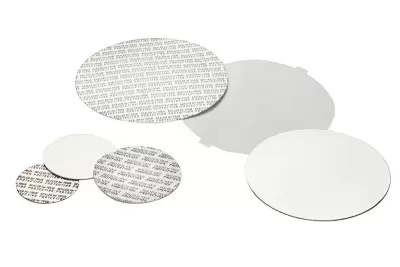 Cap Liners
 Syringes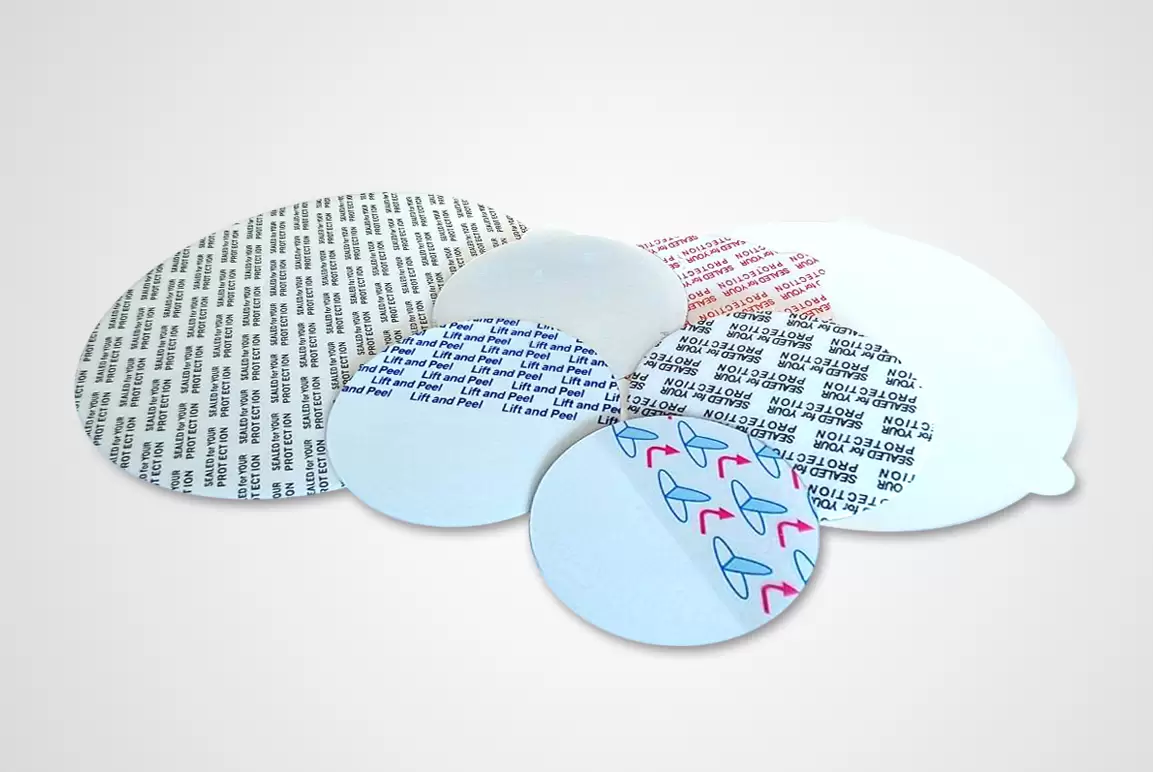
A cap liner is a small part of the package, but it often becomes important at the worst possible moment.
A bottle leaks in transit. A powder absorbs moisture. A cream dries around the neck. A customer opens a jar and immediately wonders whether the product was sealed properly. In many of these cases, the problem is not simply the bottle or the cap. It is the way the full closure system works together.
Cap liners and seal liners sit inside the cap, but their role is much larger than filling an empty space. They help improve contact between the cap and the container, reduce leakage risk, support product freshness, and in many cases provide a visible first-opening seal. For companies using plastic caps and closures, the liner should be treated as part of the packaging system, not as an afterthought.
For packaging teams in pharmaceuticals, cosmetics, food, supplements, chemicals, and specialty products, choosing the right liner is a practical technical decision. It affects product protection, production efficiency, shelf life, user experience, and sometimes regulatory documentation.
This guide explains the main types of cap liners and seal liners, common materials, neck compatibility, packaging applications, and the questions buyers should ask before approving a liner for commercial production.
Gilpack Liners
What Are Cap Liners and Seal Liners?
Cap liners are inserts placed inside caps or closures. When the cap is applied to the bottle or jar, the liner helps seal the opening. Depending on the type of liner, it may provide compression, adhesion, barrier protection, tamper evidence, chemical resistance, or a cleaner opening experience.
The term “seal liner” is often used when the liner creates a stronger seal on the mouth of the container. An induction seal liner, for example, bonds to the rim of the bottle or jar during the sealing process. When the user opens the cap, the sealed layer remains on the container and must be removed before the product is used.
In simple packaging, a liner may only need to reduce minor leakage. In more demanding applications, such as pharmaceutical bottles, supplement jars, or sensitive chemical products, the liner becomes part of the primary packaging system and should be selected more carefully.
This is especially relevant when the package includes custom plastic jars, custom plastic bottles, or a closure system developed for a specific product.
Why the Liner Should Not Be Chosen Last
One common mistake is choosing the bottle, approving the cap, preparing the label, setting up the filling process, and only then asking which liner should be used.
That order can create problems.
The liner seals against the top surface of the container. If the neck finish is not flat enough, too narrow, damaged, or not compatible with the cap torque, even a good liner may fail. The product itself also matters. Oils, alcohol-based formulations, powders, aggressive chemicals, creams, tablets, and capsules all behave differently inside a package.
A liner that works well for a dry supplement powder may not be suitable for a cosmetic oil. A liner used for a PET bottle may not behave the same way on HDPE, PP, or glass. A liner that looks acceptable in a short test may fail after transport, temperature changes, or long storage.
In pharmaceutical packaging, the decision is even more sensitive. The bottle, cap, liner, and seal are part of the full container-closure system. That means they may need to support stability, moisture protection, tamper evidence, and compatibility with the product throughout its shelf life.
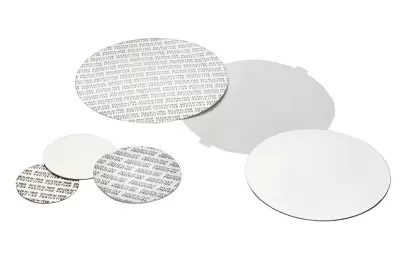
liners for caps and lids
Main Types of Cap Liners and Seal Liners
There are many liner variations, but most commercial packaging projects fall into a few main categories.
Foam Liners
Foam liners are widely used because they are simple, flexible, and cost-effective. They compress when the cap is applied and help improve the contact between the cap and the container.
They are often used for dry products, powders, tablets, capsules, cosmetics, and general packaging. A foam liner may be a good fit when the product does not require a high-barrier seal or visible tamper evidence.
That said, foam liners are not automatically suitable for every product. Liquids, oils, volatile ingredients, or aggressive formulations may require a different liner structure. Testing with the actual filled product is always better than testing with an empty container.
Pressure-Sensitive Liners
Pressure-sensitive liners stick to the container rim when the cap is tightened. They are often selected when a brand wants a simple seal without using induction sealing equipment.
They can work for samples, powders, dry goods, and lower-risk consumer products. Their advantage is convenience. Their limitation is that they usually do not provide the same level of seal strength, consistency, or tamper evidence as induction sealing.
For short runs or simple applications, a pressure-sensitive liner may be enough. For products that are sensitive, expensive, regulated, or likely to leak, it should be evaluated carefully.
Induction Seal Liners
Induction seal liners are used when the package needs a stronger and more visible seal. The liner is placed inside the cap. After the cap is applied, the container passes through an induction sealing machine. The machine creates heat through electromagnetic induction, causing the sealing layer to bond to the rim of the container.
The result is a sealed membrane over the opening.
Induction liners are common in pharmaceuticals, food, supplements, cosmetics, chemicals, cannabis packaging, and household products. They are often selected when the brand needs tamper evidence, leakage protection, freshness protection, or improved resistance to moisture and oxygen.
Gil Pack also addresses this topic in more detail in its article about induction liners, their benefits, applications, and working mechanism.
The important point is compatibility. A liner for a PET bottle may not be right for HDPE, PP, or glass. The cap, torque, neck finish, sealing machine, line speed, filling temperature, and product formulation all affect the final result.
Heat Seal Liners
Heat seal liners use heat and pressure to create a seal. They can provide reliable sealing performance, but the process must be controlled.
Too little heat may create a weak seal. Too much heat can damage the liner, deform the container, or affect the sealing area. These liners are used in food, medical, pharmaceutical, and technical packaging applications where a controlled sealed opening is required.
F217 and Multi-Layer Liners
F217 liners are built with a foam core and outer layers. They are popular because they offer a practical balance between compression, sealing performance, and compatibility for many products.
Multi-layer liners are used when one material is not enough. A liner may need one layer for sealing, another for barrier performance, and another for chemical resistance. This is common in more demanding packaging, especially when the product is sensitive or when the package must perform under difficult storage or transport conditions.
Vented Liners
Vented liners are designed for products that may release gas or create pressure inside the container. Instead of creating a fully closed environment, they allow controlled venting while still helping protect the product.
This type of liner should not be selected casually. It requires a clear understanding of the product, filling conditions, storage environment, transport conditions, and pressure behavior.
Vented liners are often relevant for certain powders, protein products, chemicals, agrochemicals, and specialty formulations.
Cap Liner Types Comparison Table
| Liner type | Common use | Main advantage | Buyer note |
|---|---|---|---|
| Foam liner | Dry products, supplements, cosmetics, general packaging | Simple and cost-effective sealing support | Not ideal for every liquid or aggressive formulation |
| Pressure-sensitive liner | Samples, powders, short runs, simple packaging | No induction equipment required | Usually weaker than induction sealing |
| Induction seal liner | Pharma, food, supplements, cosmetics, chemicals | Strong seal and tamper evidence | Must match container, cap, torque, and sealing machine |
| Heat seal liner | Food, medical and technical packaging | Controlled sealed opening | Requires process control |
| F217 / multi-layer liner | Pharma, cosmetics, chemicals, supplements | Better compression and balanced performance | Requires compatibility testing |
| Vented liner | Products that may release gas or pressure | Controlled pressure management | Highly product-specific |
Common Cap Liner Materials
The liner material should be selected according to the product, the container, and the closure system. Price matters, but it should not be the only factor.
Polyethylene Foam
Polyethylene foam is common in general-purpose liners. It provides compression and helps improve the seal between the cap and the container. It is often used where the product does not require a specialized barrier or chemical-resistant structure.
Pulp and Poly-Faced Materials
Pulp liners may include a plastic-facing layer to improve resistance to moisture or product contact. They are used where basic protection is needed, but the product still requires a cleaner contact surface than plain pulp.
Aluminum Foil
Aluminum foil is widely used in induction liners. It helps support the induction sealing process and can provide strong barrier properties when combined with the right sealing layer.
PET, PE, PP and Specialty Films
Plastic films are used in many liner structures. The sealing layer should be compatible with the container material. PET, HDPE, PP, and glass containers may each require a different liner approach.
For example, a company using PET plastic bottles may need a different liner structure than a company using HDPE bottles or glass jars.
Chemical-Resistant Materials
Some products require specialty liners because the formulation can attack standard materials. This is common in chemicals, solvents, oils, agrochemicals, and certain technical products.
In these cases, liner selection should be based on product compatibility and test results rather than only on catalogue specifications.
Container and Neck Finish Compatibility
A good liner can still fail if the bottle neck is wrong.
The top surface of the bottle or jar must give the liner enough area to seal. The cap must apply the right pressure. The thread finish, neck diameter, sealing land, cap material, and application torque all influence the result.
Before approving a liner, buyers should check:
| Question | Why it matters |
|---|---|
| What is the container material? | PET, HDPE, PP and glass may need different liner structures |
| Is the neck finish flat and wide enough? | The liner needs a clean surface to seal against |
| What cap will be used? | Cap design affects pressure and liner contact |
| What torque will be applied? | Too little or too much torque can cause failures |
| Is the product liquid, powder, cream, oil, tablet, or capsule? | Product behavior affects liner performance |
| Is induction sealing equipment available? | Some liners require dedicated equipment |
| Will the product face heat, air shipment, or long storage? | Transport and storage conditions can expose weak seals |
| Are pharma, food-contact, or child-resistant requirements involved? | These may affect material selection and documentation |
This is why liner selection should be part of the early packaging conversation, especially in projects involving custom blow molding or custom bottle development.
Pharmaceutical Packaging Considerations
In pharmaceutical packaging, liner selection usually requires more documentation and testing than in ordinary consumer packaging.
The liner may need to support moisture protection, oxygen barrier performance, seal integrity, tamper evidence, child-resistant closure compatibility, and product stability. If the liner is part of the primary packaging system, it may also be relevant to packaging suitability assessments.
This does not mean every pharmaceutical bottle needs the same liner. A tablet bottle, a powder jar, a liquid bottle, and a sensitive medical product may all require different solutions.
Gil Pack discusses the broader role of packaging in pharma applications in its article on pharmaceutical packaging and precision in scientific research.
For pharmaceutical products, the safest approach is to test the liner with the actual container, cap, product, filling process, and storage conditions.
Food, Supplement and Cosmetic Applications
Food, supplement, and cosmetic packaging may look less regulated than pharma, but the liner still matters.
A supplement powder may absorb moisture. A cream may leak during shipment. A food product may need freshness protection. A cosmetic oil may interact with the wrong liner material. In each case, the liner affects both technical performance and the customer’s first impression.
For products packed in jars, the liner should be selected together with the jar and cap. This is especially important for custom plastic jars, food supplement jars, cosmetic jars, and other packaging formats where the opening experience is part of the brand experience.
A clean seal tells the customer that the package was handled properly. A weak or messy seal does the opposite.
Sustainability and Material Efficiency
Liner selection also connects to sustainability. A liner should protect the product well enough to reduce leakage, spoilage, returns, and waste. At the same time, the full packaging system should be designed responsibly, including the bottle, cap, label, liner, and material combination.
For brands looking at more responsible packaging decisions, Gil Pack covers this topic in its article on sustainability in custom plastic bottle manufacturing.
The practical goal is not simply to use less material. It is to choose the right material, in the right amount, for the right packaging performance.
Common Buyer Mistakes
The first mistake is assuming that all liners are interchangeable. They are not.
The second mistake is testing the liner only on an empty bottle. A liner that looks fine on an empty container may behave differently with oil, powder dust, liquid residue, or volatile ingredients.
The third mistake is ignoring torque. Many sealing problems begin with inconsistent cap application.
The fourth mistake is choosing the liner after the bottle and cap are already finalized. Early liner selection can prevent redesign, failed trials, and production delays.
How to Choose the Right Cap Liner
A practical liner selection process starts with the product.
What is inside the container?
What can damage it?
What can it damage?
Does it need tamper evidence?
Does it need moisture protection?
Is leakage a real risk?
Is the product sensitive to oxygen, odor, or temperature?
What container material will be used?
What cap and neck finish are planned?
Will the package be induction sealed?
What testing is required before approval?
Once these questions are answered, the first options usually become much clearer.
Working With Cap Liner Manufacturers
A good supplier should not recommend a liner based only on cap diameter. They should ask about the product, bottle material, neck finish, cap, filling process, storage conditions, sealing method, and market requirements.
Gil Pack supports packaging projects that include plastic bottles, jars, caps, closures, and liner solutions. For buyers in pharmaceuticals, cosmetics, food, supplements, chemicals, and specialty packaging, this system-level approach helps reduce the risk of choosing a liner that fits the cap but does not fit the product.
Companies developing packaging for regulated, technical, or sensitive products may also need custom components, special closures, or bottle development. In those cases, the liner should be reviewed together with the full package and not treated as a separate accessory.
Final Thoughts
Cap liners and seal liners are small components, but they are responsible for a significant part of packaging performance.
They can help prevent leakage, improve tamper evidence, protect freshness, reduce moisture exposure, and create a better first-opening experience. The right liner is not simply the one that fits inside the cap. It is the one that works with the product, container, cap, neck finish, filling process, storage conditions, and compliance expectations.
For packaging teams, the best decision is usually made early, tested properly, and approved as part of the complete container-closure system.
FAQ
Cap liners are inserts placed inside caps or closures to improve the seal between the cap and the container. They can help reduce leakage, support product freshness, improve moisture protection, and create a better packaging experience.
Seal liners are liners that create a more active seal on the container opening. Induction seal liners, for example, bond to the rim of the bottle or jar and create a visible sealed layer that must be removed before use.
Cap liners usually improve the seal between the cap and the container. Seal liners often provide a stronger or more visible seal, especially when induction or heat sealing is used.
There is no single best liner for every pharmaceutical product. The right choice depends on the formulation, container material, cap type, moisture sensitivity, oxygen barrier needs, tamper-evidence requirements, and stability testing.
Yes. A properly selected liner can help reduce leakage by improving the contact between the cap and the container. For liquids or sensitive products, induction seal liners or specialty liners may be required.
Induction liners usually provide stronger sealing and better tamper evidence. Pressure-sensitive liners are simpler and do not require induction equipment, but they are usually better suited to lower-risk applications.
Not always. Different container materials may require different liner structures. PET, HDPE, PP, and glass can behave differently during sealing, so compatibility testing is important.
The liner seals against the top surface of the bottle or jar. If the neck finish is uneven, too narrow, damaged, or not matched to the cap and torque, the liner may fail even if the material itself is suitable.
Buyers should check the product type, container material, neck finish, cap design, application torque, sealing method, filling process, storage conditions, leakage risk, and any regulatory or safety requirements.
Yes. Gil Pack supports packaging projects that include plastic bottles, jars, caps, closures, and liner solutions for pharmaceutical, cosmetic, food, supplement, chemical, and specialty packaging applications.