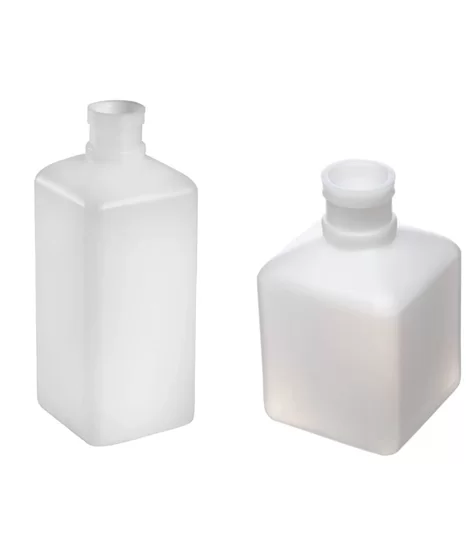
HDPE bottles are one of the most widely used plastic packaging solutions due to their durability, chemical resistance, safety, and recyclability. They are ideal for pharmaceutical, food, cosmetic, and industrial applications, offering excellent protection for liquid and solid products while meeting strict regulatory and sustainability requirements.
High-Density Polyethylene (HDPE) bottles have revolutionized the packaging industry with their unmatched durability, safety, and environmental friendliness. Widely recognized for their versatility, these bottles serve a multitude of industries, from food and beverage to pharmaceuticals and personal care. This article delves into five critical facts about HDPE bottles, shedding light on why they are a preferred choice for sustainable and reliable packaging solutions.
1. Material Composition and Properties
Understanding HDPE
HDPE is a petroleum-based thermoplastic polymer known for its high strength-to-density ratio. This characteristic makes HDPE bottles incredibly strong and resistant to impact, chemicals, and moisture, ensuring the safety and integrity of the contents they hold.
Durability and Resistance
One of the standout features of HDPE is its resilience under various environmental conditions. These bottles can withstand UV radiation, temperature extremes, and rough handling, making them an ideal choice for products that require long shelf lives and exposure to diverse conditions.
Square HDPE Bottles
2. Environmental Impact and Recyclability
Commitment to Sustainability
HDPE bottles are at the forefront of eco-friendly packaging solutions. Their high recyclability means they can be repurposed multiple times, reducing the need for virgin materials and minimizing waste in landfills.
Lifecycle and Efficiency
The lifecycle of an HDPE bottle, from production to recycling, is optimized for minimal environmental impact. The energy-efficient manufacturing process, combined with the material’s lightweight nature, leads to lower transportation costs and emissions, further enhancing its sustainability profile.
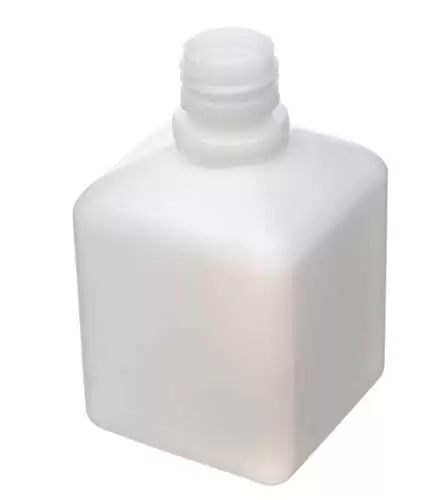
Square 250ml 28mm
3. Versatility in Applications
Across Industries
The chemical resistance and safety of HDPE make it suitable for a wide range of applications. Whether it’s for storing acidic cleaning products or preserving the freshness of beverages, HDPE bottles offer a reliable packaging solution that meets various industry standards.
Customization and Design
HDPE’s flexibility in molding allows for a plethora of designs, shapes, and sizes, catering to specific product requirements and consumer preferences. This adaptability not only meets functional needs but also aids in branding and product differentiation.
4. Safety and Regulatory Compliance
Food-Safe and Non-Leaching
Safety is paramount in packaging, and HDPE bottles excel in this regard. They are inherently food-safe and do not leach chemicals into their contents, making them ideal for food and beverage packaging.
Adherence to Standards
HDPE bottles comply with stringent global regulatory standards, ensuring they meet the highest safety and quality requirements. This compliance reassures manufacturers and consumers about the suitability of HDPE for packaging sensitive products.
5. Innovations and Future Trends
Advancements in Technology
The HDPE industry is continuously evolving, with innovations aimed at enhancing bottle performance and environmental sustainability. Developments in biodegradability and barrier properties are expanding the applications of HDPE bottles, making them even more versatile.
Towards a Greener Future
Future trends in HDPE bottle production focus on reducing environmental impact through smarter, more sustainable manufacturing techniques. These advancements promise to keep HDPE bottles at the forefront of eco-friendly packaging solutions.
Conclusion
HDPE bottles represent a pinnacle in packaging solutions, offering a perfect blend of durability, safety, versatility, and environmental sustainability. As the industry continues to innovate, the potential of HDPE bottles will undoubtedly expand, further solidifying their role in a greener, more sustainable future.
FAQ – 5 Essential Facts on HDPE Bottles
What are HDPE bottles and what are they used for?
HDPE (High-Density Polyethylene) bottles are rigid plastic containers commonly used for pharmaceuticals, food and beverages, cosmetics, chemicals, and industrial products due to their strength, safety, and versatility.
Are HDPE bottles safe for food and pharmaceutical use?
Yes. HDPE bottles are food-grade, non-toxic, and non-leaching. They comply with international food-contact and pharmaceutical packaging standards, making them safe for sensitive applications.
What makes HDPE bottles durable and resistant?
HDPE offers high impact resistance, excellent strength-to-density ratio, and resistance to moisture, chemicals, UV exposure, and temperature variations, ensuring long product shelf life.
Are HDPE bottles recyclable and environmentally friendly?
Are HDPE bottles recyclable and environmentally friendly? HDPE bottles are fully recyclable and commonly reused in recycling streams. Their lightweight nature also reduces transportation emissions, contributing to a lower environmental footprint.
Can HDPE bottles be customized?
Can HDPE bottles be customized? Yes. HDPE bottles can be customized in shape, size, color, neck finish, and closure compatibility, allowing manufacturers to meet functional, branding, and regulatory requirements.

 PET Bottles for Cosmetics
 Medical Syrup Bottles
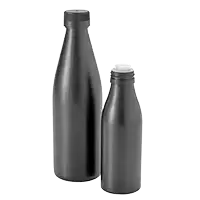 Spill Proof Bottles for Oil
 Bottles for pharma liquids
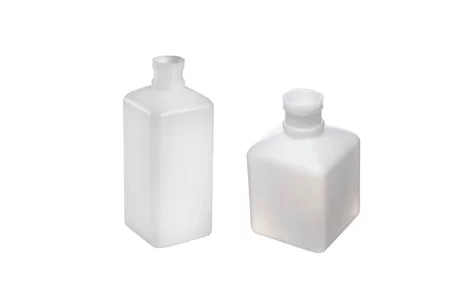 Square HDPE Bottles
 Powder Bottles
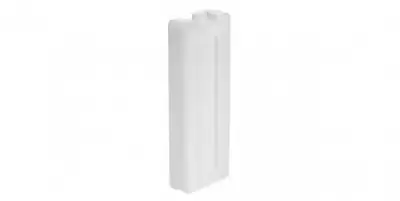 Ice Pack (Cooling Element)
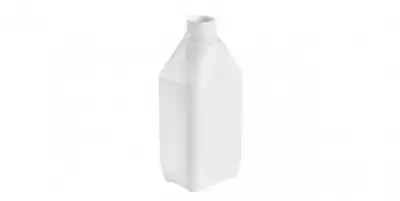 Rectangular Bottles
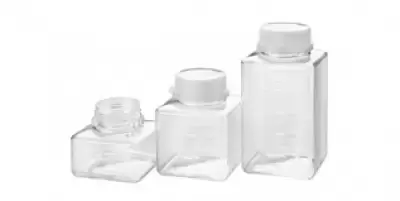 Water Sampling Bottles
 PE Bottles for Cosmetics
 Drosophila Bottle
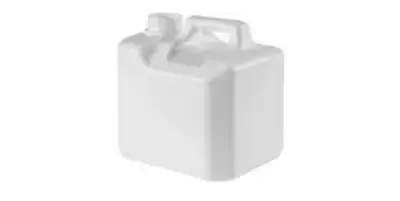 Plastic Jerry cans and carboys
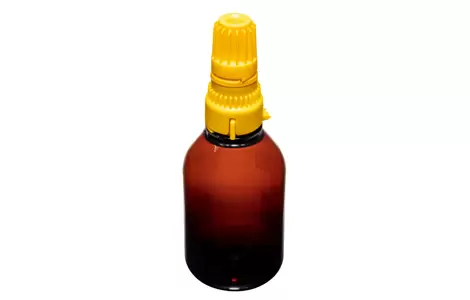 PEN BOTTLES & ADAPTORS FOR SEVOFLURAN
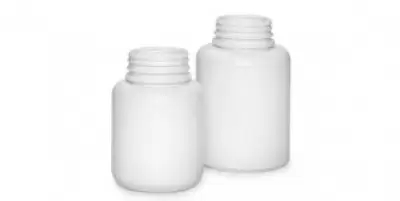 Food Supplement Jars
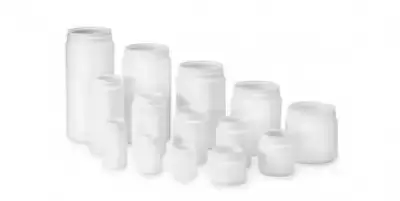 Cylindrical Jars with Hinged Lid
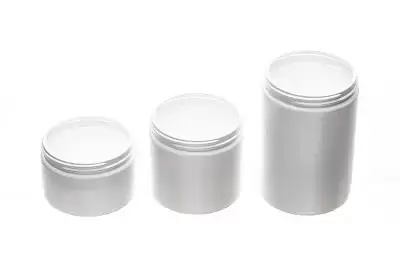 Cylindrical Jars with Screw Caps
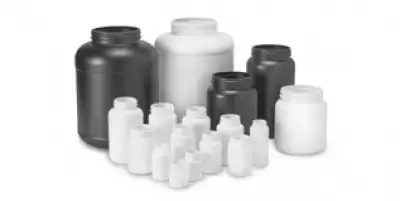 Wide Mouth Plastic Jars
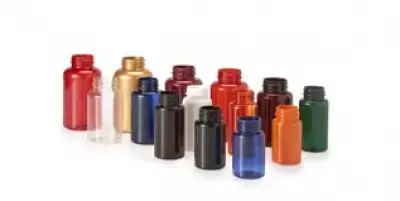 PET Pill Jars
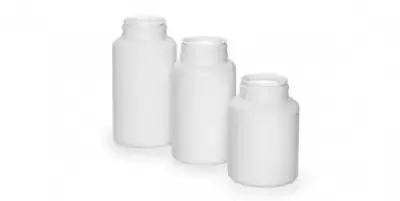 HDPE Packers with Hinged Lid
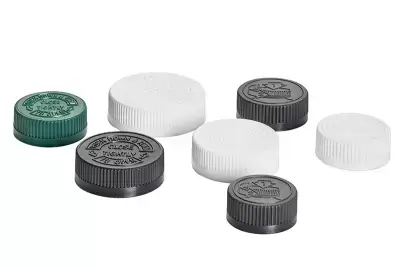 Child Resistant Closures (CRC)
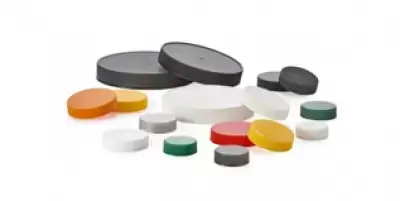 CT Plastic Screw Caps
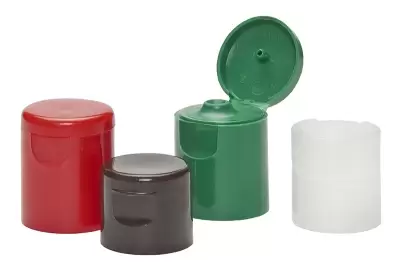 Disc Top and Flip Top Closures
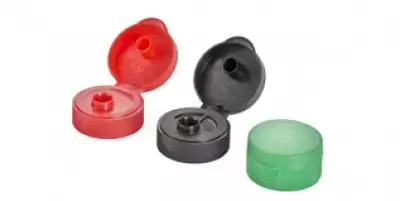 Flip Top Closures
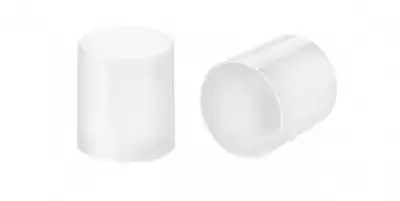 Over cap for Cosmetic Bottles
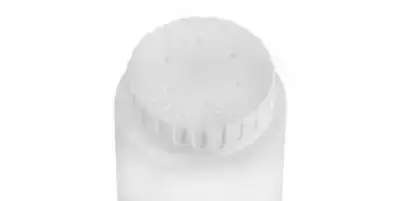 Powder Dispensing Cap
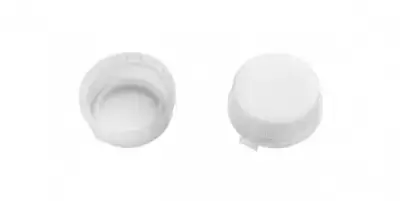 Cap for Water Sampling Bottles
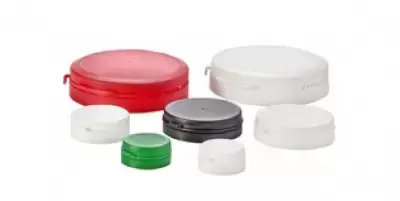 Tamper Evident Hinged Caps
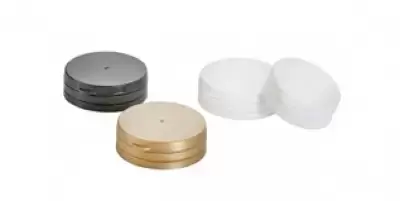 Hinged Caps with Liner
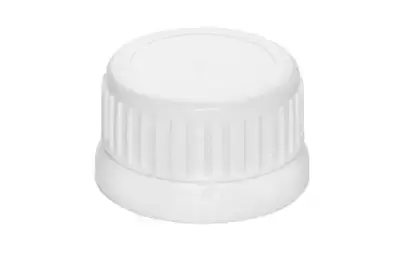 Tamper Evident Screw Cap, 38mm
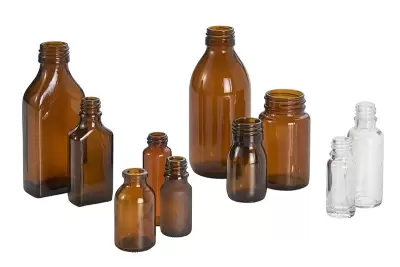 Pharma Glass Bottles & Jars
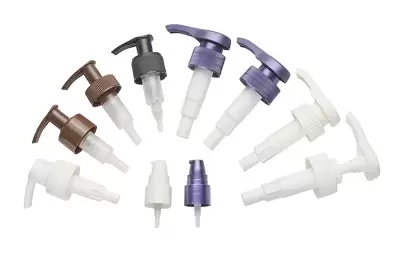 Pharma Lotion Pumps
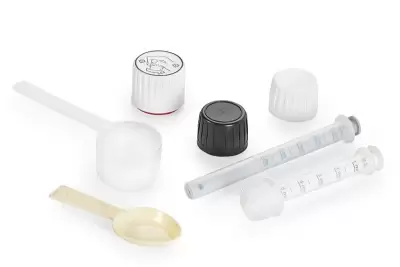 Measuring Cups & Spoons
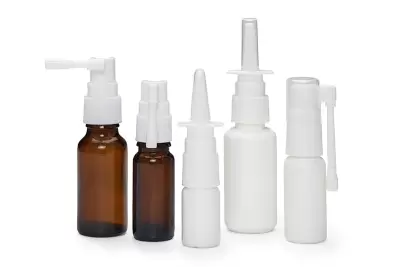 Pharmaceutical Sprayer Pumps
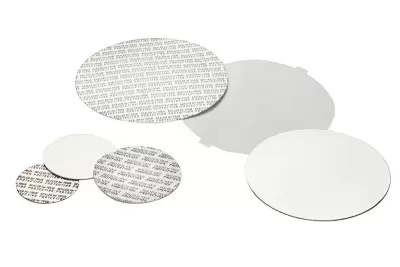 Cap Liners
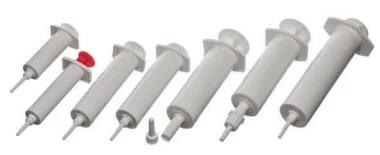 Syringes
 Liners